Breaking Through Myths About Witchcraft
People talk about witchcraft like it is a Halloween costume or a quirky aesthetic. Something shallow. A hobby you pick up after watching too many fantasy shows or movies. The truth is much older and more grounded than that. Witchcraft is a living practice. It shifts with each person who carries it and every place it touches.
Most of us who walk this path do not fit the stories told about us. The world still clings to outdated ideas shaped by fear, misunderstanding, or Hollywood movies. So let’s sit with what witchcraft actually is and gently clear away the myths.
Witchcraft is not a trend; it’s not a performance. It is a relationship with nature, intention, energy, and self.
Myth One: Witches worship the devil
This idea came from religious propaganda, not truth.
Most witches do not believe in a “devil” at all. That figure belongs to specific religions. Some witches connect with gods or goddesses, some with ancestors, spirits of the land, or no spirit at all.
Witchcraft is a practice. Not a religion. You can be spiritual. You can be secular. Both are valid.
Myth Two: Witchcraft is evil
People often fear what they do not understand. Historically, people who healed with herbs were called dangerous. Midwives were punished. Folk healers were named witches and persecuted because they cared for their communities outside of religious or political control.
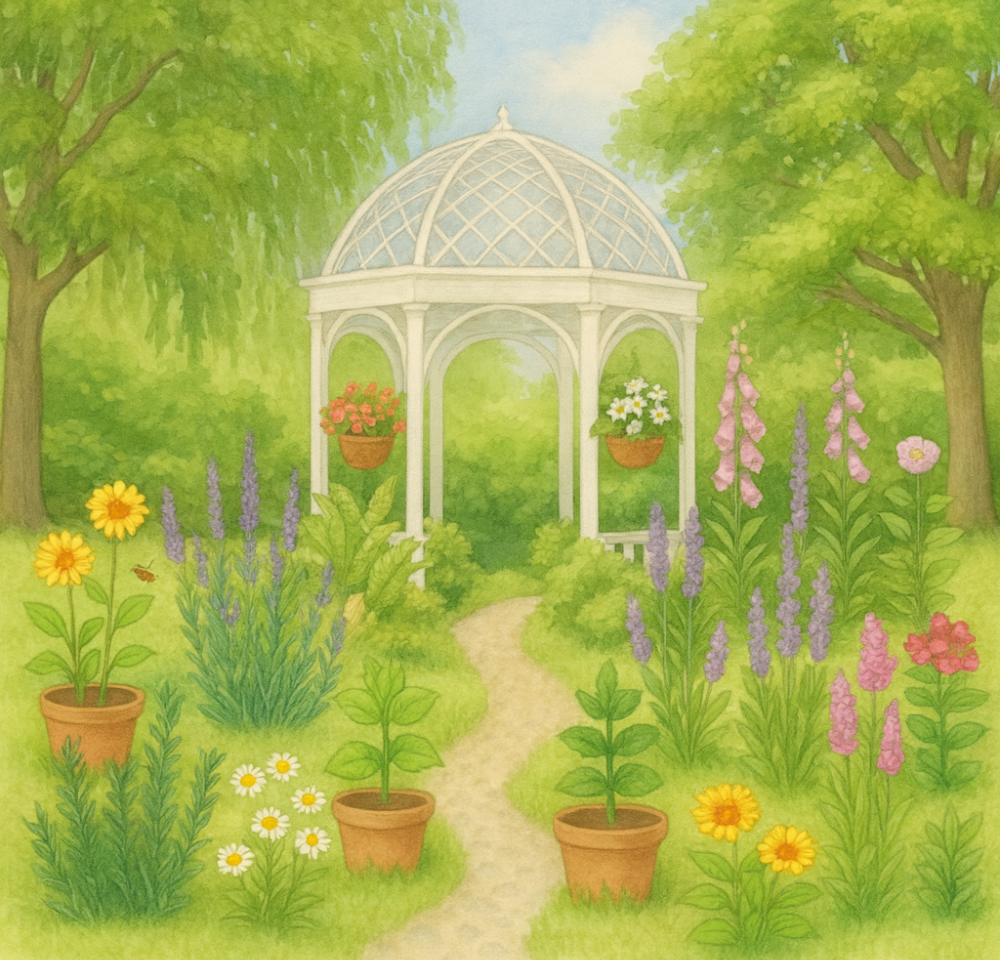
True witchcraft sits in ordinary places. In tending a garden. In praying quietly. In lighting a candle with intention. In protecting yourself and those you love. It can be powerful, but it is not inherently harmful.
Myth Three: All witches practice the same way
There is no single right way.
Some write long rituals.
Some whisper simple words.
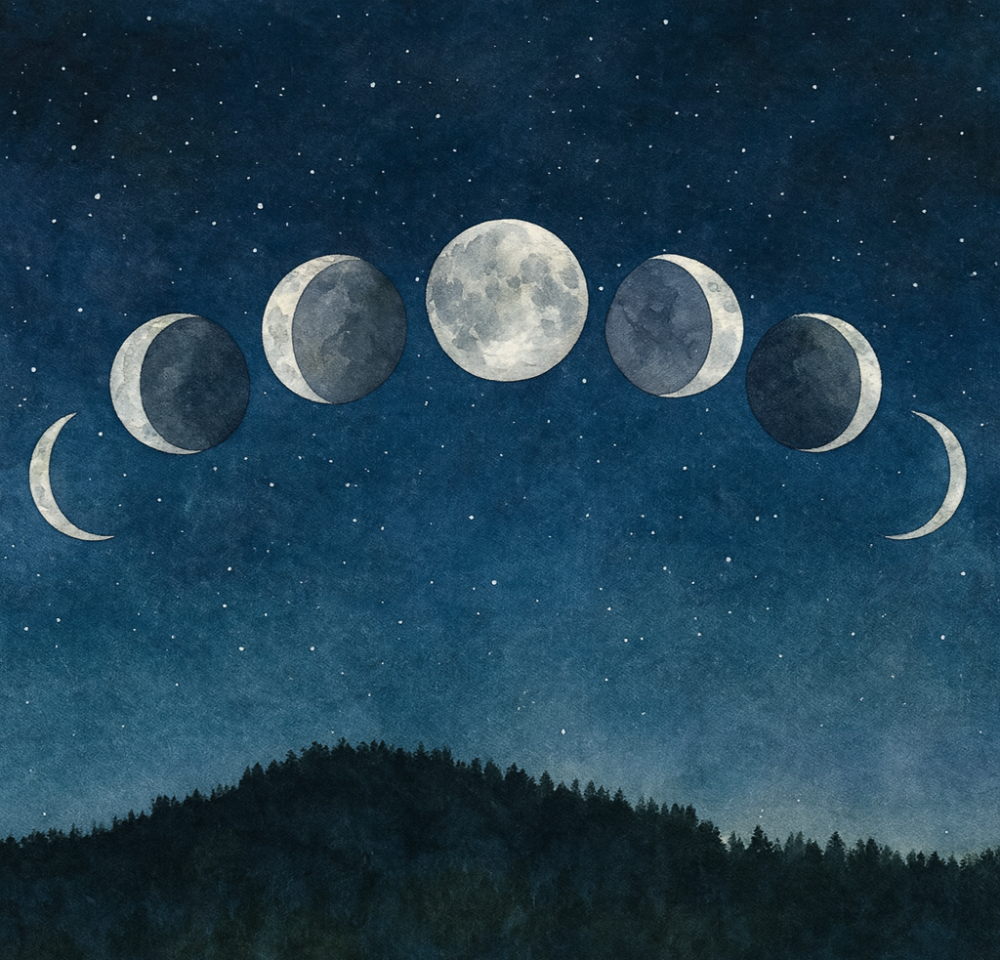
Some work with cycles of the moon.
Some focus only on herbs.
Every witch builds a practice that fits their own life. This path is flexible. Personal. It grows with you.
Myth Four: You must be born into witchcraft
Some people inherit family magic. Others feel the call later. Both are real. Nothing makes one more authentic than the other.
You learn. You explore. You listen. That is enough.
Myth Five: You need fancy tools
Candles. Crystals. Cards. Herbs. They’re lovely. They help you focus. But they are not required.
You can speak your intention into a cup of tea.
You can sit under a tree and breathe with the earth.
Your body is your oldest altar.
Magic begins with awareness and intention, not equipment.
Myth Six: Witchcraft and Wicca are the same
Wicca is a religion. Witchcraft is a practice.
You can be one without the other.
Some witches follow structured belief systems. Others do not. There are many paths and no universal rulebook.
Myth Seven: Witches must choose light or dark
People love labels. Good. Bad. Light. Shadow.
Witchcraft is more honest than that.
It recognizes that life holds both softness and sharpness.
Some witches focus on healing and blessings. Some practice protective magic that can be fierce if necessary. Most find a balance. Magic is a tool. Your values guide how you use it.
Myth Eight: Witchcraft means living outside modern life
Witches are everywhere.
They work office jobs.
They raise children.
They study.
They struggle. They rest.
They are not separated from the world. They move through it with intention.
Myth Nine: Spells guarantee instant results
Magic is not a shortcut that replaces effort.
A spell is a seed.
You plant. You tend.
You act in alignment with your intention.
Real magic takes time. It works alongside real-world action.
Myth Ten: Witchcraft harms animals or requires blood
Most witches value animals deeply. Many rescue animals. Many treat their pets as sacred companions.
Blood work exists in some cultural traditions, but it is not required and is often symbolic rather than literal. Witchcraft does not demand harm. If anything, it leans toward protection and care.
Myth Eleven: Witchcraft lives only in spells
Magic also lives in everyday choices.
In how you cook.
How you clean.
How you care for your body and home.
How you listen to your intuition.
Spells are only one expression. The heart of witchcraft is relationship.
Myth Twelve: It is unsafe to explore witchcraft
Much of what people fear comes from inaccurate stories. Witchcraft asks for respect, mindfulness, and personal responsibility, just like any other spiritual or energetic practice.
You go at your own pace. You learn. You grow. You check your intentions. You honor the land and the cultures you draw from. That is safe, grounded practice.
What is witchcraft?
People throw this word around without knowing what it means. Some think it is a religion. Some think it is fantasy. Others treat it like a trend. The truth is much simpler. Witchcraft is a practice. It is a way of working with nature, intention, and energy. It is not about looking a certain way or trying to be mysterious. It is everyday life plus awareness.
Witchcraft existed long before the word “witch” was ever used. In ancient communities around the world, there were people who understood plants, weather patterns, dreams, and spiritual work. They helped with healing, childbirth, farming, protection, and emotional support. They did not think of themselves as witches. They were neighbors with valuable knowledge. Their work was practical.
Herbalists in Europe used plants like mugwort, willow bark, and rosemary for pain, fever, anxiety, and childbirth. In West African traditions, healers and diviners cared for their communities through spirit work, root medicine, and ancestor connection. In Indigenous cultures across the Americas, medicine keepers worked with plant allies and ceremony. In India, Ayurvedic practitioners taught energy, seasonality, and herbal treatment grounded in thousands of years of observation. Similar approaches existed everywhere: people learned by watching nature and listening to the land.
This knowledge was passed down through families and community members, not through formal schools or written manuals. Most of it lived through memory and practice. People learned by doing. Because it was not written down, much of this knowledge was vulnerable.
Over time, organized religion and political systems sought control over healing and spiritual authority. Practitioners who worked outside of those systems became targets. In Europe, midwives, healers, and folk practitioners were accused of witchcraft. They were punished because their skills existed outside church control. Their work with plants, birth, and energy threatened people in power. The connection between herbal work and accusation was strong. If you knew how to treat illness or ease pain without a priest or physician, you were suspicious.
Colonization intensified this problem around the world. Traditional healers across the Americas, Africa, and Asia were demonized. Their practices were labeled evil or primitive. Colonizers forced Christianity and European systems onto communities. Local spiritual practices were banned, punished, or erased. Many traditions went underground. Some survived because families quietly passed them down. Others were lost because the people holding the knowledge were harmed or silenced.
The result is that many modern people talk about witchcraft as if it started in Europe or belongs to one culture. It never did. Witchcraft is a general word for practices that existed everywhere. It belongs to many bloodlines and traditions. Some people today focus on reclaiming what was taken from their ancestors. Others build personal practices influenced by many sources. There is no single correct version.
Something people skip is that witchcraft was originally practical. It was not about performance or identity. If someone had a fever, you reached for a plant like willow because you knew it helped. If a baby were being born, you would call the woman who knew how to help. If the crops needed protection, you used prayers, offerings, or symbols. Magic was simply part of everyday life. There was no separation between sacred and ordinary.
Modern witchcraft still carries pieces of this. You work with herbs. You use intention. You pay attention to seasons. You listen to your intuition. You recognize that spirit and nature are connected. You take responsibility for the energy you put into the world. You choose how you practice based on who you are.
People imagine witchcraft as a secret power. Honestly, it is more about awareness. It teaches you to pay attention to what you feel, what the land needs, and how your actions affect others. It teaches you to work with your environment instead of fighting it. Some choose to involve spirits or deities. Others remain secular. Both are valid. The practice adapts to the person.
So when we talk about what witchcraft really is, we are talking about a living practice that has survived erasure, colonization, fear, and stereotype. It is something that grows with each generation. Modern witchcraft is rebuilding knowledge that was nearly erased. Some of it comes from ancestral traditions. Some from academic study. Some from personal experience. This rebuilding is slow but meaningful.
Witchcraft is not about power over others. It is about understanding yourself and your surroundings. It is healing, protection, and connection. It is choosing intention over chaos. At its core, witchcraft teaches you to be present, responsible, and in conversation with the world around you.
You may not find ancient texts that explain everything. Many traditions were never written down. The fragments that survived are precious. The rest must be rebuilt carefully, with respect for where it came from and who paid the price for it to survive.
Witchcraft is not a fantasy. It is not a joke. It is a practice that has always existed. Quiet. Resilient. Human.
What is Wicca?
Wicca is a modern religion. It is not ancient in the way many people assume. It draws inspiration from older European folk practices, ceremonial magic, and pagan beliefs, but Wicca itself was formed in the mid-1900s. The version people know today was shaped mainly by Gerald Gardner in England. From there, different branches grew and developed their own structure.
Wicca blends ritual, seasonal celebration, and belief in the divine. Most Wiccans honor a God and a Goddess, though the way people understand these figures can vary. Some treat them as literal beings. Others see them as symbols of natural forces like creation, death, rebirth, and balance. Wicca focuses heavily on honoring nature and the cycles of the earth.
Wicca is organized enough to be considered a religion. It has teachings, shared holidays, and defined ideas about energy and morality. The belief that your actions return to you (often called the Threefold Law) is central to many Wiccan paths. This idea encourages personal responsibility and ethical behavior. However, not all witches believe in it, because it belongs to the Wiccan structure, not witchcraft overall.
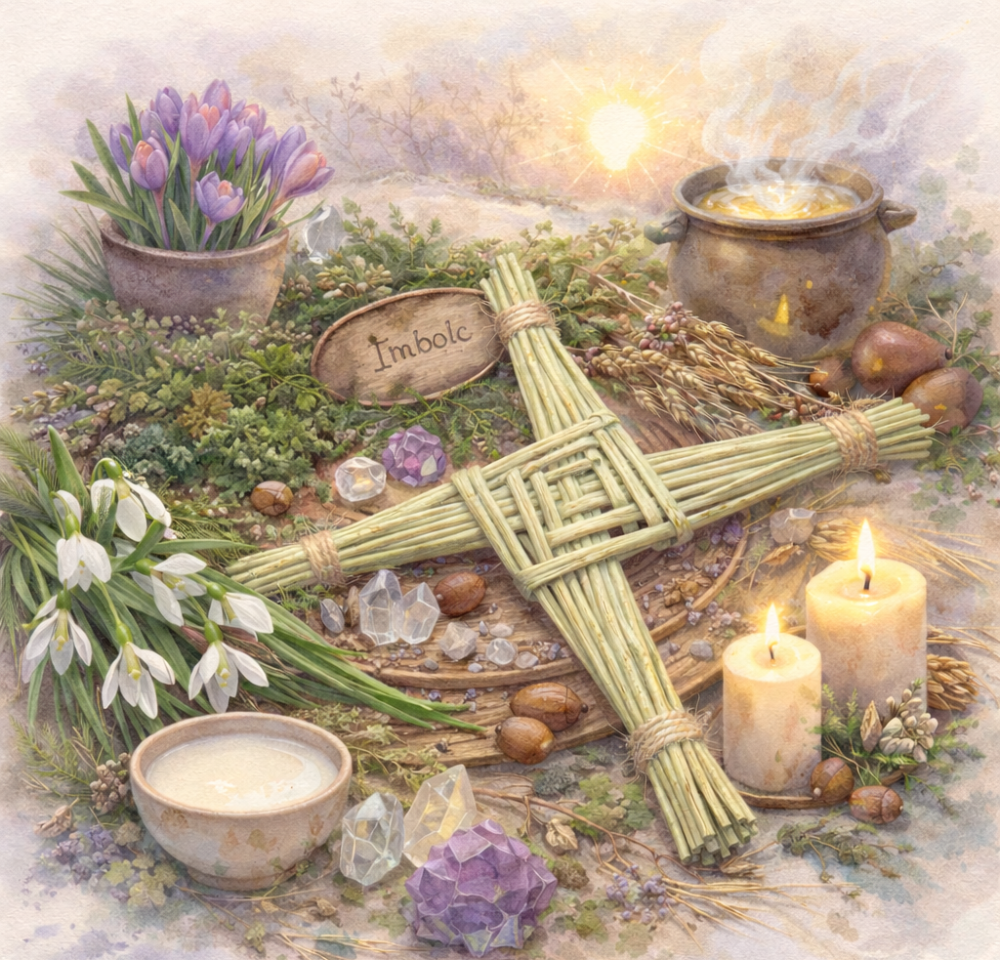
Unlike witchcraft, Wicca has a more formal ritual. Many Wiccans cast a circle before working, call on specific elemental forces, and follow seasonal celebrations known as Sabbats. These Sabbats reflect the changing year. Yule for winter. Imbolc for the slow return of light. Beltane for spring fertility. Samhain for honoring the dead. These celebrations are symbolic and spiritual but also tied to how nature moves through the year.
Wicca usually includes covens or groups led by experienced practitioners, though many practice alone. A coven is not required. Solitary Wiccans are extremely common (like me). What makes someone Wiccan is not the rituals they own or the altar tools they carry, but their relationship to Wiccan beliefs and structure.
It is important to understand that Wicca borrowed from many cultures. Some of its early teachings blended ceremonial magic, European folk practices, and even bits of Eastern philosophy. Because of this, Wicca should be practiced with awareness and respect. When you encounter material that comes from closed or Indigenous cultures, it is essential to research its origins rather than folding it into practice casually.
Over time, Wicca expanded beyond Gardner. New traditions appeared. Alexandrian. Dianic. Eclectic. Some emphasize balance between masculine and feminine energy. Some focus entirely on the Goddess. Some are very structured. Others are more flexible. There is no single way to be Wiccan, though the framework stays recognizable.
Wicca is not the same as witchcraft.
A person can be Wiccan and also practice witchcraft.
A person can be a witch without touching Wicca at all.
Think of Wicca as a religion.
Think of witchcraft as a practice.
One is not automatically tied to the other.
Modern media often blends them together, which confuses people. Someone might say they are studying Wicca when they are really learning general magic. Or they may think witches must worship Wiccan deities, which is not true.
Wicca was created during a period when people were trying to reconnect with nature and older spiritual ideas. It gave structure to beliefs that had been pushed down for centuries. It helped people explore magic without fear. Because of that, Wicca played a huge role in the modern revival of magical and pagan paths. Many people found healing, community, and purpose through it.
However, it is still new compared to the countless magical traditions that came before it. Calling Wicca an “ancient pagan religion” is inaccurate. Calling it the only true form of witchcraft is also inaccurate. Wicca is one path among many.
Some people love its rituals and deities.
Others prefer a simpler, more personal practice.
Either is fine.
What matters is understanding that Wicca has its own identity. It is spiritual. It has belief, structure, and tradition. It is built on nature, reverence, mindfulness, and ethical responsibility.
If you are exploring these topics, it helps to understand both. Witchcraft is a wide landscape. Wicca is one road within it. You get to decide which one feels true to you.
| Topic | Witchcraft | Wicca |
|---|---|---|
| What it is | A practice based on intention, energy, and connection with nature | A modern nature-based religion |
| Age | Ancient. Exists in many cultures worldwide | Modern. Developed in the mid-1900s |
| Belief system | No required belief system. Flexible. Personal | Structured belief system. Often honors a God and Goddess |
| Spiritual focus | May or may not involve spirits, ancestors, or deities | Usually involves deity worship and seasonal cycles |
| Rules or laws | No universal moral rules. Ethics vary by practitioner | Commonly teaches the Wiccan Rede and Threefold Law |
| Tools | Optional. Intention is what matters | Often uses ritual tools and formal structure |
| Holidays | Depends on the practitioner or tradition | celebrates eight Sabbats (Wheel of the Year) |
| Rituals | Personalized. Can be casual or formal | More standardized. Often includes casting a circle and calling quarters |
| Community | Can be solitary or in groups. No required hierarchy | Can be solitary or in covens with hierarchy |
| Goal | Personal growth. Healing. Connection. Protection. Self-knowledge | Spiritual development within a defined tradition |
| Identity | Anyone who practices magic is a witch (if they choose the word) | Someone follows Wiccan beliefs and structure |
Why do these myths still exist?
A lot of the confusion around witchcraft survives because people have been taught to fear what they do not understand. For a long time, spiritual and healing knowledge lived in the hands of everyday people. They learned from the land, their elders, and their own experience. That made them independent. When religion and government started controlling who could teach, who could heal, and who could speak for the sacred, those independent voices became a problem.
The easiest way to take power away from someone is to convince others that they are dangerous. Calling witches evil or sinful kept people from trusting them. It also pushed entire communities away from their own traditional knowledge.
Hollywood exaggerated the fear by turning witches into villains, monsters, or supernatural threats. That image stuck. It is dramatic and easy to remember, even though it has nothing to do with real practice.
Generations grew up hearing those stories. They never questioned where they came from. So the stereotypes kept repeating. People learned to laugh at witchcraft or treat it like a joke. Others learned to react with fear. Most never learned the real history. They only heard warnings.
The truth is simpler. Real witchcraft made space for knowledge that did not depend on institutions. It taught people to trust themselves, their land, and their ancestors. That kind of freedom has always made powerful systems uncomfortable. So myths were created to separate people from their own roots.
Those myths linger because they are familiar. They get passed down without thought. When someone hears the word witch, they picture a story, not a real person. Changing that means talking openly, learning the history, and looking past the fear.
Witchcraft survived because people carried it quietly. Now the work is to help others see it as it has always been: a practice rooted in nature, intuition, and care.
Final thoughts
Witchcraft has never belonged to a single culture or a single definition. It is a collection of practices shaped by land, ancestry, and lived experience. It has changed with every generation that carried it and every community that protected it. That is part of its strength. It bends. It adapts. It survives.
Your practice does not have to look like anyone else’s. You are allowed to learn slowly. You are allowed to make mistakes. You are allowed to explore different approaches until something fits. Witchcraft grows with you.
What matters is intention.
Respect the cultures you learn from.
Care for the land beneath your feet.
Stay curious.
Ask questions.
Listen to your intuition.
The roots of this path run deep. Some of that history is painful. Some of it is ordinary and beautiful. All of it is worth remembering.
If this path calls to you, walk it with honesty and care.
You are part of a long story, even if you are only beginning to read your chapter.